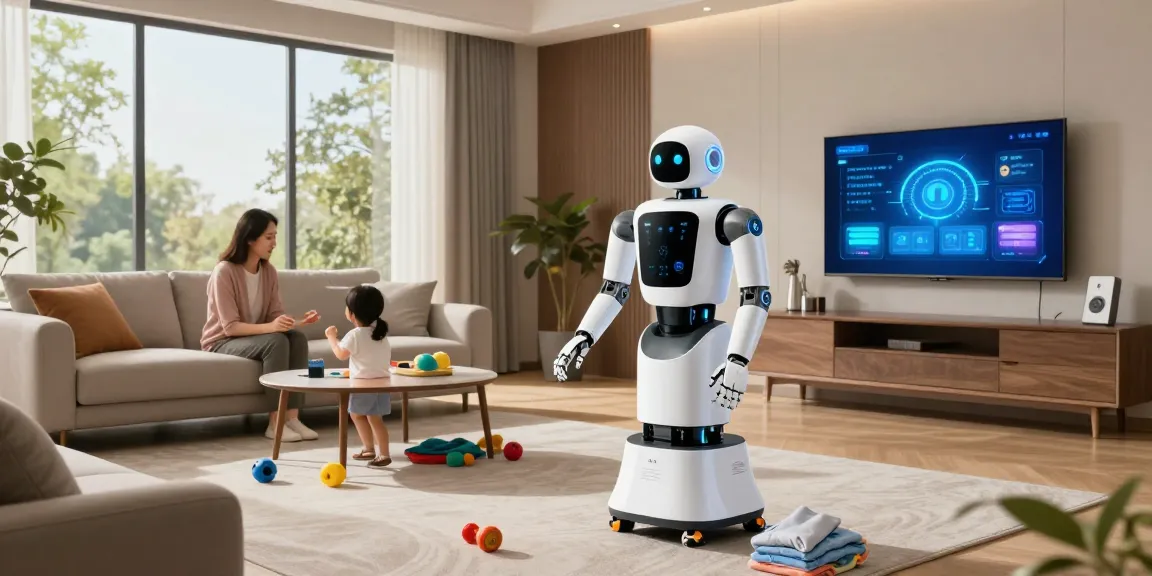
The Rise of Home Robots: What to Expect in 2026
As we approach 2026, the landscape of home robotics is evolving at an unprecedented pace. This is the year where dreams of automated living become a tangible reality, offering solutions that were once confined to the realms of science fiction. Home robots are no longer just a novelty; they are becoming essential companions in our daily lives, enhancing convenience, efficiency, and even safety. When exploring options, home robot 2026 will feature groundbreaking innovations that will redefine household chores and make life easier for millions across the globe.
Introduction to Home Robot Technology
The concept of home robots dates back several decades, but only recently have technological advancements made them feasible for everyday consumers. Innovations in artificial intelligence, machine learning, and robotics have culminated in devices that can perform a variety of tasks. These robots can vacuum, cook, and even manage home security, fundamentally altering how households operate.
Understanding how these robots work begins with their underlying technology. Most contemporary home robots leverage AI to learn from their environment and user preferences, allowing them to adapt and improve their function over time. Moreover, the integration of IoT (Internet of Things) technology enables seamless communication between devices, enhancing their capabilities and functionality.
Key Innovations Shaping Home Robots
Several key innovations are paving the way for the rise of household robots in 2026. These include:
- Advanced AI Algorithms: These algorithms allow robots to learn from their interactions and to better understand user preferences.
- Improved Robotics: Modern robots are increasingly designed with sophisticated sensors and mobility features, enabling them to navigate complex environments efficiently.
- Energy Efficiency: New technologies make home robots more energy-efficient, prolonging battery life and reducing the carbon footprint associated with their use.
- Voice and Gesture Recognition: Enhanced control systems allow for more intuitive interaction, making it easier for users to command their robots.
The Market Demand for Household Robots
The demand for home robots is skyrocketing, driven by a range of factors including busy lifestyles, an aging population, and the quest for increased convenience. Market research indicates that the home robotics sector is set to grow significantly, with various models catering to diverse needs—from cleaning and maintenance to companionship.
In response to this growing demand, manufacturers are innovating continuously, targeting specific niches within the market. For example, there are robots focused on cleaning tasks, cooking assistance, and even gardening, showcasing that the versatility and practicality of home robots are becoming more pronounced.
Top Home Robots to Watch in 2026
Overview of Leading Home Robot Models
As we look forward to 2026, several standout models are set to lead the market in home robots. Companies like 1X and LG are at the forefront, unveiling innovative products that promise to revolutionize home automation.
- NEO Home Robot: Offering personalized assistance and chore automation, NEO is poised to be a household favorite, allowing users to schedule tasks seamlessly.
- LG CLOiD: This robot excels in multifunctionality, tackling chores such as cooking, cleaning, and even laundry, showcasing the potential for a single device to manage multiple tasks.
- Boston Dynamics’ Atlas: Known for its agility, Atlas has evolved to include domestic functions, bridging the gap between industrial and home applications.
Comparative Analysis of Features and Prices
When considering which home robot to invest in, it’s essential to analyze their features and price points. While some models like the NEO Home Robot may be priced around $20,000, they offer extensive functionalities that may justify the investment. In contrast, simpler models may range from $500 to $5,000, appealing to a broader audience. Consumers will need to assess their specific needs, whether it’s advanced capabilities or a more budget-friendly option.
Consumer Reviews and Feedback
Customer feedback plays a critical role in assessing the effectiveness of home robots. Early adopters often share insights that can inform potential buyers about the practicalities of these devices. In 2026, many users emphasize the importance of ease of use, reliability, and integration with existing smart home systems. Reviews typically highlight aspects such as performance consistency, ease of setup, and overall value for money as deciding factors in their purchasing choices.
Integrating Home Robots into Daily Life
Easy Setup and User-Friendly Interfaces
One of the primary advantages of the latest home robots is their user-friendly interfaces. Many models are designed for straightforward setup, often requiring only a smartphone app for installation and control. This ease of integration encourages users who may be hesitant about technology to embrace automation in their households.
Managing Household Tasks with AI
AI significantly enhances the ability of home robots to manage household tasks. By analyzing user patterns and preferences, AI-powered robots can optimize their performance and adapt their tasks accordingly. For instance, a robot can learn the peak times for cleaning and adjust its schedule to maximize efficiency.
Personalization and Customization Options
Customizability is a burgeoning trend within the home robotics market. Users can often personalize settings related to their preferences, such as cleaning schedules, dietary needs for cooking robots, and more. Personalized experiences lead to higher satisfaction levels, making these robots more than just household tools; they become tailored assistants.
Challenges and Considerations
Common Misconceptions about Home Robots
Despite the growing technology, misconceptions surrounding home robots remain prevalent. Many people believe these robots are too complex to operate, when, in reality, they are designed for accessibility. Additionally, there is a pervasive notion that home robots will replace human roles, whereas their aim is to complement and assist rather than replace.
Ethical and Privacy Concerns
As with any technology, ethical considerations must be addressed. Privacy concerns around data collection by home robots are paramount. Manufacturers must ensure transparency and security in how data is gathered and used, fostering trust with consumers.
Overcoming Obstacles in Home Automation
To fully embrace home robots, several obstacles must be overcome. Key factors include addressing affordability, ensuring user transparency, and enhancing the interoperability between devices in a smart home setup. As technology advances and becomes more mainstream, these challenges will likely diminish.
The Future of Home Robotics Beyond 2026
Emerging Trends in Home Robotics
The future of home robotics is set to be defined by several emerging trends. First, there will be a move towards more sustainable technologies, meaning robots will be designed with eco-friendly materials and energy-efficient systems. Additionally, we can anticipate advancements in robotics that allow for emotional interaction, making robots not just assistants but companions.
Potential Developments in AI Integration
The integration of AI is expected to advance further, providing robots with more human-like capabilities. This may include improved emotional recognition and interaction, allowing for a more engaging experience for users.
The Role of Home Robots in Smart Cities
As urban areas continue to grow and evolve, home robots will play a crucial role in the development of smart cities. Automated systems can manage household tasks while contributing to larger city initiatives like energy management and waste reduction, thus enhancing quality of life.
What is the expected cost of a home robot in 2026?
In 2026, the expected costs of home robots will vary widely depending on their capabilities and functionalities. Basic models may start at around $500, while more sophisticated systems offering comprehensive services could cost upwards of $20,000. Understanding the available options and their associated costs will be integral for budgeting and planning.
How can home robots improve daily living?
Home robots stand to improve daily living by taking over repetitive tasks, allowing residents to focus more on leisure, work, or family time. They promise reduced physical labor, less stress, and increased overall productivity within the household.
What features do consumers want most in home robots?
Consumers generally prioritize features such as ease of use, multi-functionality, security capabilities, and customization options. The ability to integrate seamlessly into a smart home ecosystem is also highly sought after, as it ensures maximum utility.
Are home robots worth the investment?
Ultimately, the value of investing in a home robot lies in the degree to which it alleviates household burdens. For many families, the time saved and tasks automated may justify the expense, particularly as technology continues to improve efficiency and lower prices over time.
What advancements can we expect in home robot technology?
Home robot technology is expected to advance in areas such as AI capabilities, mobility, energy efficiency, and user interface design. As the field continues to innovate, we may see robots that are capable of more complex tasks and that fit seamlessly into futuristic home environments.