Understanding Interventional Radiology and Imaging
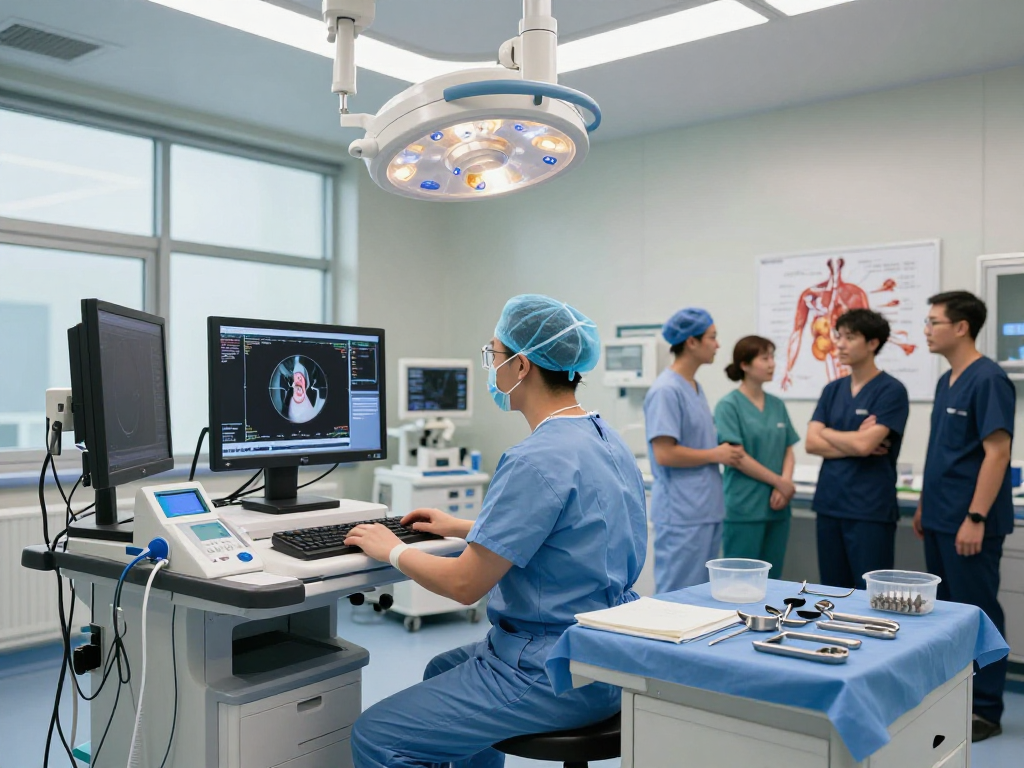
Interventional radiology and imaging represent a pivotal evolution in medical practice, merging advanced imaging techniques with minimally invasive procedures. This specialty utilizes real-time imaging guidance—such as ultrasound, CT scans, and fluoroscopy—to perform diagnostic and therapeutic interventions. The combination of imaging and therapeutic modalities allows for precise targeting of issues within the body, vastly improving patient outcomes and recovery times. When exploring options, interventional radiology and imaging provides comprehensive insights into how these techniques are revolutionizing healthcare.
What is Interventional Radiology?
Interventional radiology is a subspecialty of radiology that employs imaging techniques to guide minimally invasive surgical procedures. With a primary focus on diagnosis and treatment through small incisions rather than open surgeries, interventional radiologists use instruments such as catheters and guidewires, often accessed through the skin. The field encompasses a wide range of applications, from treating vascular diseases to tumor ablation and pain management. By leveraging imaging technology, interventional radiologists ensure accuracy and efficiency, drastically improving the patient experience.
The Role of Imaging in Diagnosis
Imaging is essential in interventional radiology, providing a roadmap for clinicians to diagnose and treat various conditions effectively. Technologies such as MRI (Magnetic Resonance Imaging), CT (Computed Tomography), and ultrasound allow radiologists to visualize internal structures with remarkable clarity. This real-time visualization is crucial for guiding procedures, enabling the accurate placement of instruments and minimizing damage to surrounding tissues. Furthermore, advanced imaging techniques enhance the early detection of diseases, resulting in better prognoses for patients.
Common Procedures in Interventional Radiology
Interventional radiology encompasses a diverse array of procedures aimed at treating various medical conditions. Some of the most common include:
- Angioplasty: A procedure to open narrowed or blocked blood vessels.
- Stenting: Insertion of a small mesh tube to support arteries.
- Biliary drainage: A technique to relieve bile duct obstructions.
- Embolization: The process of blocking blood flow to a tumor or abnormal growth.
- Radiofrequency ablation: A method to destroy cancer cells using heat generated from radio waves.
Technological Advances in Interventional Radiology
Latest Imaging Techniques for Precision
In the rapidly evolving field of interventional radiology, new imaging technologies are continuously being developed to enhance procedural accuracy and patient safety. Techniques such as digital subtraction angiography (DSA) and 3D imaging provide detailed views of blood vessels and surrounding organs, facilitating precise interventions. The integration of portable ultrasound devices also allows for bedside evaluations, enabling quicker decisions and immediate treatments in critical situations.
Impact of AI and Machine Learning
Artificial Intelligence (AI) and machine learning are transforming the landscape of interventional radiology. These technologies are being utilized to analyze imaging data, predict outcomes, and improve procedural strategies. For instance, AI algorithms can assist in identifying abnormalities in imaging studies, reducing the risk of misdiagnosis. Machine learning models can also optimize workflow efficiencies by predicting the time required for different procedures, ultimately enhancing patient throughput in clinical settings.
Emerging Technologies in 2026
Looking ahead to 2026, emerging technologies such as augmented reality (AR) are set to revolutionize interventional radiology. AR can overlay imaging data onto the patient's anatomy during procedures, providing real-time guidance for clinicians. Additionally, innovations in robotic-assisted surgery are expected to enhance dexterity and accuracy in procedures, further minimizing invasiveness and improving patient safety. These advancements signify a bright future for interventional radiology, promising better health outcomes.
Best Practices for Patient Care in Interventional Radiology
Pre-Procedure Protocols
Effective pre-procedure protocols are essential for ensuring the safety and comfort of patients in interventional radiology. This includes a thorough assessment of the patient's medical history, allergies, and current medications. Educating patients about the procedure, including what to expect, helps to alleviate anxiety and promotes adherence to pre-procedure instructions, such as fasting or medication adjustments.
Post-Procedure Recovery and Monitoring
Post-procedure care is as critical as the intervention itself. Monitoring patients closely for complications such as bleeding or infection is vital. Patients should be instructed on signs of potential complications to watch for during their recovery phase. Follow-up appointments are essential for evaluating the effectiveness of the procedure and addressing any ongoing concerns.
Maintaining Patient Safety and Comfort
Ensuring patient safety and comfort involves creating a supportive environment during the procedure. This includes utilizing sedation or anesthesia judiciously to minimize discomfort while being vigilant about monitoring vital signs throughout the process. Utilizing minimally invasive techniques also significantly contributes to enhanced comfort and reduced recovery times for patients.
Challenges and Solutions in Interventional Radiology
Addressing Common Misconceptions
One of the challenges in interventional radiology is addressing misconceptions surrounding the safety and efficacy of minimally invasive procedures. Many patients may harbor fears about the risks involved or the potential for ineffective outcomes. It is essential for healthcare providers to offer clear, evidence-based information that highlights the benefits of these techniques, including lower complication rates compared to traditional surgeries.
Overcoming Operational Obstacles
Operational obstacles, such as equipment availability and scheduling conflicts, can hinder the efficiency of interventional radiology departments. Implementing robust workflow management systems and investing in cutting-edge technology can streamline processes. Continuous training and education for staff can enhance operational efficiency and patient care quality.
Improving Access to Care
Access to interventional radiology services can be limited in rural or underserved areas. Telemedicine can improve access by allowing patients to consult with specialists remotely, thus expanding their treatment options. Establishing outreach programs to educate communities on available interventional radiology services can also help bridge the access gap.
The Future of Interventional Radiology and Imaging
Trends Shaping the Industry through 2026
As we move toward 2026, several trends are poised to shape the future of interventional radiology. The integration of personalized medicine, where treatments are tailored to individual patient profiles, is expected to grow. Additionally, the increasing use of real-time data and analytics in decision-making processes will augment the precision of interventions.
Regulatory Changes and Their Impact
Regulatory changes are likely to impact the practice of interventional radiology significantly. As technology evolves, regulatory bodies may introduce new guidelines to ensure patient safety and efficacy of procedures. Understanding these changes will be crucial for practitioners to remain compliant and provide the highest standard of care.
Training the Next Generation of Interventional Radiologists
The training of future interventional radiologists must evolve alongside technological advancements in the field. Emphasizing hands-on experience with new imaging technologies and robotic systems in residency programs will prepare the next generation for the challenges ahead. Continuous professional development opportunities will ensure that practicing radiologists stay abreast of the latest advancements and best practices in patient care.
What are the risks associated with interventional radiology?
While interventional radiology is generally safe, it is not without risks. Complications may include bleeding, infection, or damage to surrounding organs. Thorough pre-procedure assessments and skilled technique during interventions are essential in minimizing these risks.
How does imaging assist in minimally invasive procedures?
Imaging plays a critical role in minimizing invasiveness by guiding the placement of instruments with precision. Techniques like fluoroscopy and ultrasound provide real-time feedback, allowing for adjustments during the procedure to enhance accuracy and safety.
What advancements can we expect in imaging technology?
Advancements in imaging technology will likely focus on increased resolution and faster processing times. Innovations such as 3D imaging and AI enhancement will provide richer data, leading to improved diagnostic capabilities and more effective treatment planning.
Why is patient communication important before procedures?
Effective patient communication is fundamental in alleviating anxiety and fostering trust. Providing clear information about the procedure, preparation, and potential outcomes empowers patients, enabling them to participate actively in their care.
How can interventional radiology improve health outcomes?
Interventional radiology can significantly improve health outcomes by offering less invasive treatment options, reducing recovery times, and minimizing surgical complications. Through precise targeting of interventions guided by advanced imaging, patients are more likely to experience favorable results.