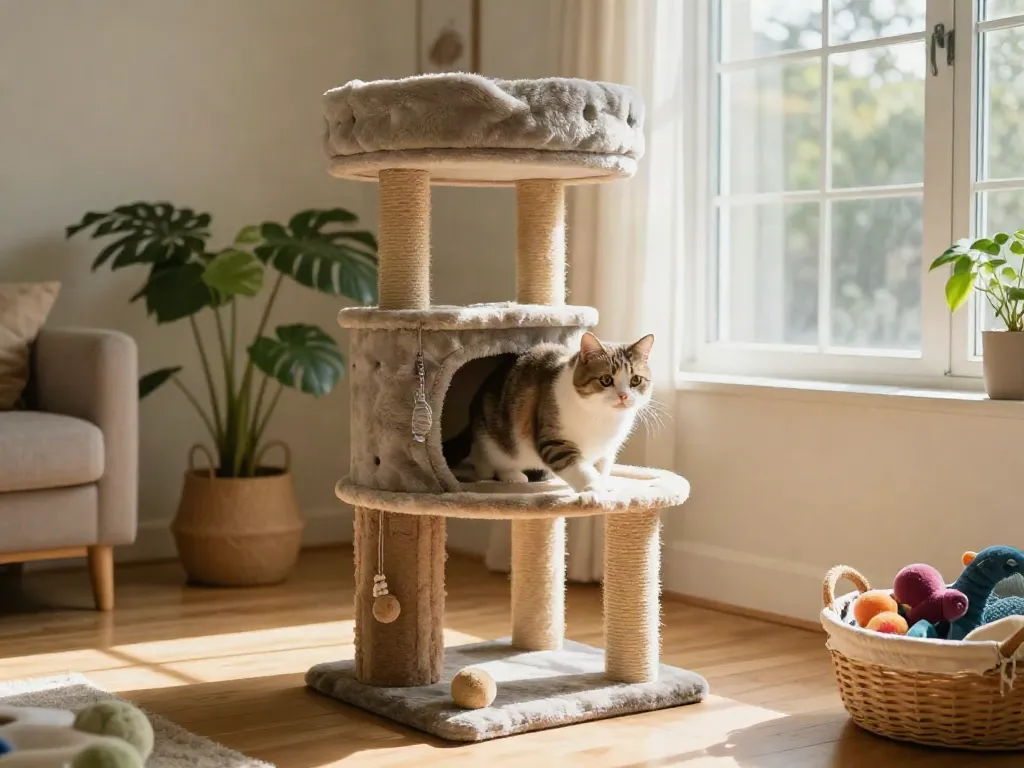
Understanding the Importance of Cat Trees
A cat tree is not just a luxury item for your feline friend; it plays a critical role in their physical and mental well-being. For many cats, climbing and perching on high surfaces is an instinctive behaviour inherited from their wild ancestors. When exploring options, cat tree designs cater to this innate desire, providing a safe haven for them to exercise, explore, and relax. This article delves into the significance of cat trees, emphasising their benefits and dispelling common misunderstandings.
Why Every Cat Needs a Cat Tree
As independent creatures, cats require an environment that supports their natural instincts. A well-designed cat tree offers them vertical space to jump and observe their surroundings, mimicking the trees and high perches they would seek out in the wild. This vertical lifestyle not only promotes physical health through exercise but also stimulates their minds. Cats can engage in climbing, scratching, and even playing with toys attached to the tree, helping keep their physical condition optimal while also reducing boredom that can lead to destructive behaviours.
Benefits of a Multifunctional Cat Tree
A multifunctional cat tree can serve several purposes, combining play, exercise, and rest in a single unit. These structures often include scratching posts, cozy hideouts, and multiple levels, catering to different behaviours. By investing in a cat tree that integrates various features, you can provide your cat with an enriching environment that encourages healthy habits and reduces the likelihood of anxiety and aggression.
Common Misunderstandings About Cat Trees
Many people believe that cat trees are primarily a gimmick targeted at pet owners looking to pamper their cats. However, the reality is that cat trees provide essential physical and mental stimulation. Some may also think that their cat won’t use a cat tree, but with proper encouragement and training, many cats can be coaxed into exploring and enjoying their new playground. Additionally, concerns about space can be alleviated, as there are designs tailored for small living areas.
Choosing the Right Cat Tree
When selecting a cat tree, it’s essential to consider various factors to ensure it meets your cat's needs and fits seamlessly into your home. Understanding what to look for can save time and money in the long run, as the right choice will enhance your cat's lifestyle significantly.
Key Features to Consider in a Cat Tree
When shopping for a cat tree, focus on these critical features:
- Height: Cats love to climb, so consider a tree that offers ample height. Taller structures allow them to exhibit natural climbing behaviours.
- Stability: Ensure the cat tree is sturdy. A wobbly structure can be dangerous and discourage your cat from using it.
- Material: Look for durable materials that can withstand scratching and climbing. Sisal-covered scratching posts are ideal.
- Multiple levels: Cats enjoy perching at different heights, offering them choices and stimulating their exploration instincts.
- Hideaways: Cats appreciate a place to retreat; consider cat trees with enclosed spaces for them to hide and feel safe.
Comparing Materials: Wood vs. Fabric
Cat trees come in various materials, with wood and fabric being the most common. Wooden cat trees are often sturdier and more aesthetically pleasing, blending well with home decor. However, they can be heavier and more expensive. Fabric cat trees are typically lighter and less expensive but may not withstand the test of time as well as their wooden counterparts. Consider your cat’s behaviour and your own aesthetic preferences when deciding which material suits your home.
Size and Space: What’s Best for Your Home?
Before purchasing a cat tree, assess the available space in your home. If you have a small living area, look for compact models that maximize vertical space without taking up too much floor area. Conversely, if you have more room, a larger cat tree with multiple features might be a better fit. Always ensure that the tree doesn’t obstruct pathways or cause hazards within your home.
Maximising Your Cat Tree's Potential
Once you have chosen the perfect cat tree, the next step is to integrate it into your cat's environment effectively. This includes accessorising the tree, encouraging your cat to use it, and ensuring it complements your home design.
Enhancing Your Cat Tree with Accessories
Consider enriching your cat tree with accessories that can make it more appealing and engaging for your cat. Add toys that dangle from various levels, sprinkle catnip on the platforms, or incorporate blankets that offer comfort and warmth. These enhancements can encourage your cat to explore more and enjoy their new tower even more.
Training Your Cat to Use the Cat Tree
Training your cat to use the cat tree may require patience. Start by placing treats or toys on different levels to encourage exploration. If your cat seems hesitant, spend time near the tree, using positive reinforcement techniques and play to build their confidence. Many cats will adapt quickly once they realise the benefits of climbing and perching.
Integrating the Cat Tree into Your Home Decor
A cat tree can be a functional piece that also adds aesthetic value to your home. Choose a design that integrates well with your existing furniture and colour scheme. Some cat trees even come in modern designs that resemble furniture, helping them blend seamlessly into your living space.
Maintaining Your Cat Tree
To ensure your cat tree remains a safe and functional environment, regular maintenance is crucial. This involves cleaning and inspecting the tree periodically.
Best Practices for Cleaning and Care
Routine cleaning is essential to maintain hygiene. Vacuum the surfaces regularly to remove fur and debris. For removable covers, follow the manufacturer's instructions to clean effectively. Use pet-safe cleaning solutions to disinfect surfaces, especially where your cat might scratch or sleep. Keeping the tree clean helps prevent the build-up of odours and bacteria.
When to Replace Your Cat Tree
Even with the best-maintained cat trees, there comes a time when they need to be replaced. Signs include noticeable wear and tear, instability, or if your cat seems disinterested in using the tree. A replacement ensures your cat continues to have a safe and stimulating environment.
Signs of Wear and Tear to Watch Out For
Keep an eye out for frayed fabric, exposed wood, or loose components that can become hazardous for your cat. If scratching posts are too worn down to be effective, replacing them promptly can help maintain your cat's interest in using the tree.
Future Trends in Cat Trees
As pet owners continually seek innovative and enriching products for their pets, the market for cat trees is evolving. Here are some emerging trends to look out for in 2026.
Innovative Designs to Look Forward to in 2026
Expect to see cat trees designed with multi-functionality in mind, featuring space for both play and rest that aligns better with human furniture aesthetics. Modular designs may also come into play, allowing owners to customize their cat's playground based on their needs and space.
Eco-Friendly Options for Cat Trees
A growing emphasis on sustainability is likely to lead to more eco-friendly cat trees made from recycled materials or sustainably sourced wood. This trend not only supports environmental responsibility but also appeals to eco-conscious consumers.
Smart Cat Trees: The Future of Pet Furniture
Technology is set to revolutionise pet furniture, with smart cat trees that incorporate features such as built-in cameras to monitor your pet or automated toys that engage your cat while you're away. These innovations aim to enhance your cat's experience and provide peace of mind to pet owners.
FAQs
How can a cat tree benefit my pet?
A cat tree offers a safe space for climbing, scratching, and playing, promoting physical health and mental stimulation. It can help reduce boredom, prevent destructive behaviours, and provide a designated area for your cat to relax and feel secure.
What features should I look for in a cat tree?
Look for stability, height, multi-level platforms, scratching posts, and materials that are durable and safe for pets. A variety of features can enhance your cat’s engaging experience.
How do I train my cat to use the cat tree?
Encourage your cat to explore the tree by using treats, toys, and positive reinforcement. Spend time close to the tree to make them feel comfortable and safe in their new environment.
What materials are best for a cat tree?
Durable wood and sturdy fabrics are ideal. Look for trees with scratching posts made from sisal and platforms covered in soft but robust fabric.
When should I replace my cat tree?
Replace your cat tree when it shows significant signs of wear and instability or if it is no longer appealing to your cat.